From Remote to Research Hubs: Why AI Companies Are Investing in Physical Office Space
After years of remote and hybrid work, Artificial Intelligence (AI) companies are leading a surprising workplace shift, a deliberate return to in-person offices. These are not just traditional office spaces, they are research hubs designed to foster collaboration, accelerate innovation, and build culture in ways remote work often cannot.
For AI teams, the physical office is no longer just a place to work. It is a strategic engine for creativity and growth. Here is why this trend is rising, and how thoughtful office design supports it.
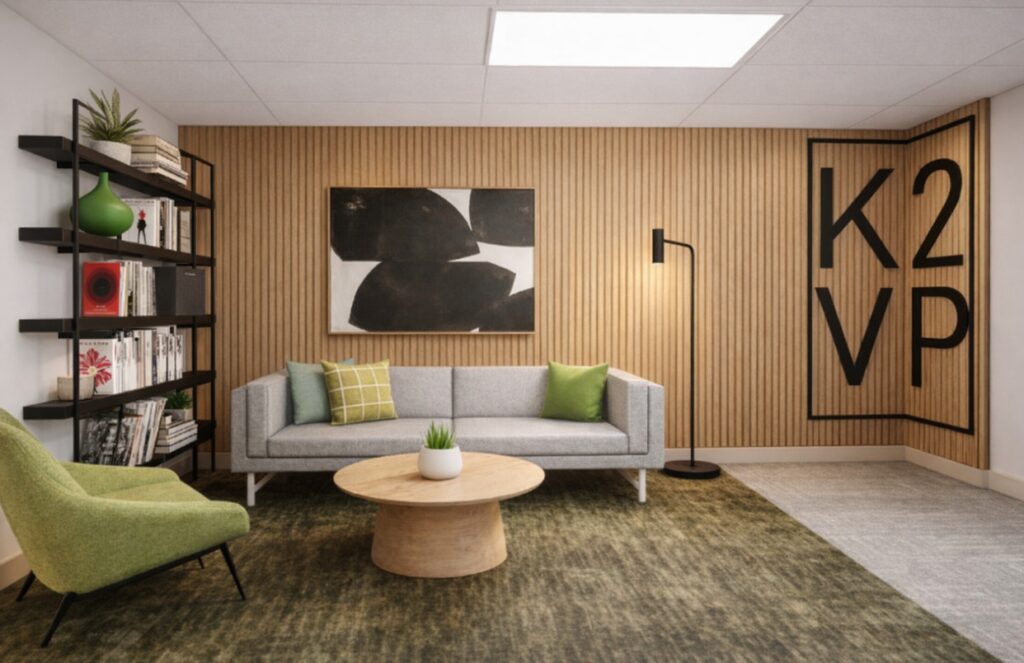
Why AI Companies Are Moving from Remote Work to Research Hubs
1. Face-to-Face Collaboration Accelerates Innovation
Tech projects often involve complex, cross-disciplinary problem-solving. While video calls are convenient, spontaneous conversations and quick iterations thrive when teams share physical space. Research hubs allow for serendipitous interactions, brainstorming sessions, and rapid prototyping that remote setups struggle to replicate.
2. Strengthening Culture and Community
For fast-growing firms, office spaces are vital for building culture. Being in a shared environment fosters mentorship, networking, and team identity, particularly for younger employees who value community and professional development. These hubs are more than desks, they are spaces where innovation culture is visible, tangible, and contagious.
3. Supporting Growth and Strategic Planning
Investing in physical offices signals stability and ambition to employees, investors, and partners. AI companies are transforming their spaces into research hubs, designed to support current teams, scale with rapid growth, and integrate the advanced technology and infrastructure needed for cutting-edge innovation.
4. The Office as a Brand and Culture Signal
Modern research hubs are not just functional, they are powerful brand assets. Photographed for social media or featured in company profiles, thoughtfully designed offices communicate culture, creativity, and innovation to the outside world. A well-crafted space tells potential employees, clients, and investors that the company values collaboration, excellence, and an inspiring work environment.
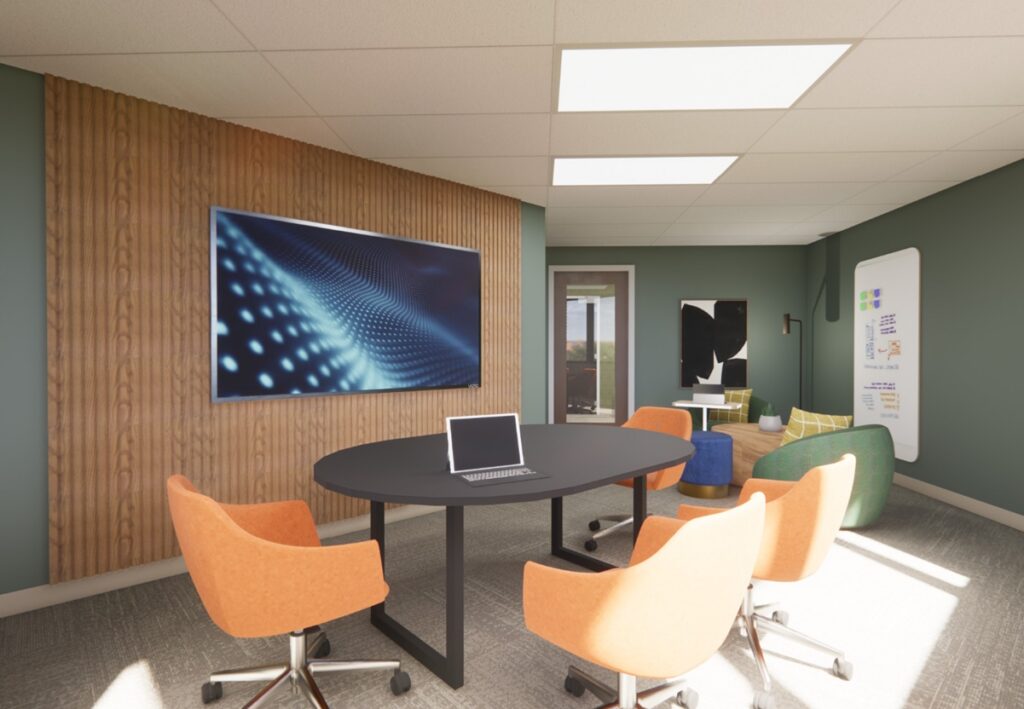
How Interior Design Supports This Shift to Research Hubs
The office of the future for AI is not rows of cubicles, or a foosball table tossed into a back room to suggest “hipness.” It is a dynamic, high-functioning environment designed to nurture both the human and technical sides of innovation. Here is how thoughtful design makes it possible:
1. Flexible Collaboration Spaces
AI teams shift between deep focus and intensive teamwork. Modular meeting rooms, open lounges, and informal huddle areas allow teams to adapt the space to the work at hand, encouraging both creativity and productivity.
2. Smart, Responsive Work Environments
From occupancy analytics to AI-driven climate control, research hubs can integrate intelligent systems that optimize comfort, resource use, and workflow. These features help employees focus on solving complex problems instead of battling their environment.
3. Wellness-Focused Design
AI teams are often high-pressure, high-demand. Incorporating wellness zones, biophilic elements, and social areas reduces stress, sparks creativity, and strengthens team cohesion, all key for companies where talent retention is critical.

Slate Interiors Studio: Crafting the Tech Research Hub
For commercial interior designers, the rise of research hubs is an opportunity to redefine how space supports cutting-edge work. Slate Interiors Studio approaches these projects by:
- Focusing on human-centered design that supports collaboration, concentration, and creativity
- Creating adaptable environments that scale with fast-growing teams
- Integrating technology seamlessly, ensuring spaces are functional and inspiring
- Designing for experience, making offices hubs for culture, mentorship, and innovation
- Putting equal emphasis on the experience of employees and visiting clients
In the world of AI, where human ingenuity meets machine intelligence, the physical workspace is no longer optional, it is a strategic asset.
The trend is clear. Artificial intelligence and tech companies are investing in physical offices not just to house employees, but to fuel innovation, attract talent, strengthen culture, signal permanence to investors, and showcase their brand and culture to the outside world. For organizations ready to embrace this evolution, thoughtful design is the key to building an innovative workspace that truly works.


Ready to bring in an
interior design pro?
Let’s chat >
we’ll help you plan the
perfect time and approach
for your project.