The Waiting Room Effect: Designing Spaces That Reduce Stress and Build Trust
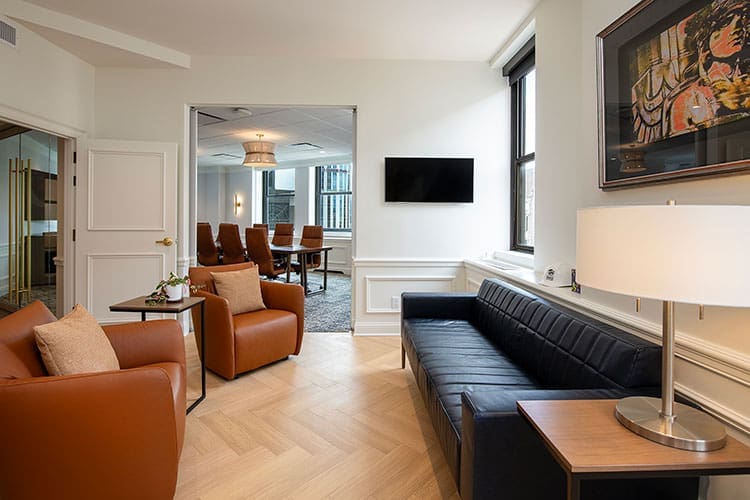
How thoughtful interiors transform the moments before the experience begins
Before a client meets with a provider, before a customer receives a service, or before a guest begins their appointment, there is often a moment of waiting. It may only last a few minutes, but that time shapes the way people perceive a business.
A waiting area is more than a place to sit. It is the first opportunity to communicate comfort, professionalism, and trust. A thoughtfully designed space can help people feel welcomed and at ease, while a poorly designed one can create unnecessary stress before the experience has even started.
This is the waiting room effect: the idea that the environments people encounter before an interaction can influence how they feel about the entire experience.
First Impressions Begin Before the Conversation
Many businesses focus heavily on the service they provide but overlook the importance of the moments leading up to it.
The reception area, entryway, and waiting space are where customers begin forming opinions. They notice whether the environment feels organized, comfortable, and aligned with the brand.
A well-designed waiting area tells visitors:
- We value your time.
- We considered your comfort.
- You are in the right place.
These small signals help establish confidence before a single conversation takes place.
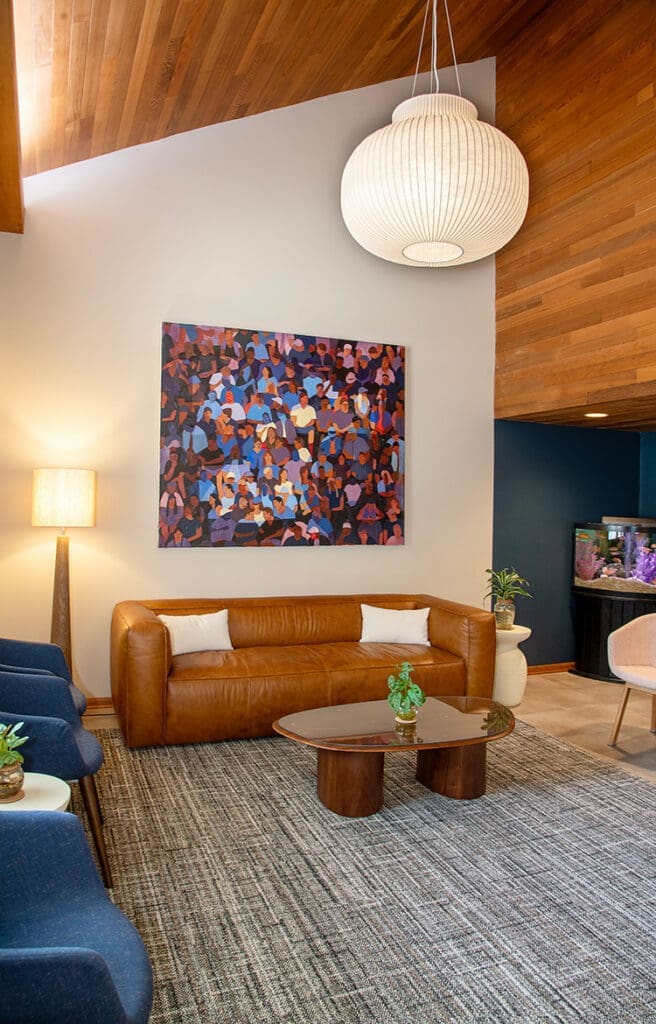
Reducing Stress Through Design
Waiting can create uncertainty. People may wonder how long they will be there, what happens next, or whether they are in the right place. Thoughtful design can reduce that sense of uncertainty by creating a space that feels intuitive and calming.
Elements that support a more comfortable experience include:
- Clear entry points and wayfinding
- Comfortable seating arrangements
- A balance of openness and privacy
- Appropriate lighting
- Organized, uncluttered layouts
- Materials and finishes that create a welcoming atmosphere
When a space feels effortless to navigate, people feel more relaxed.
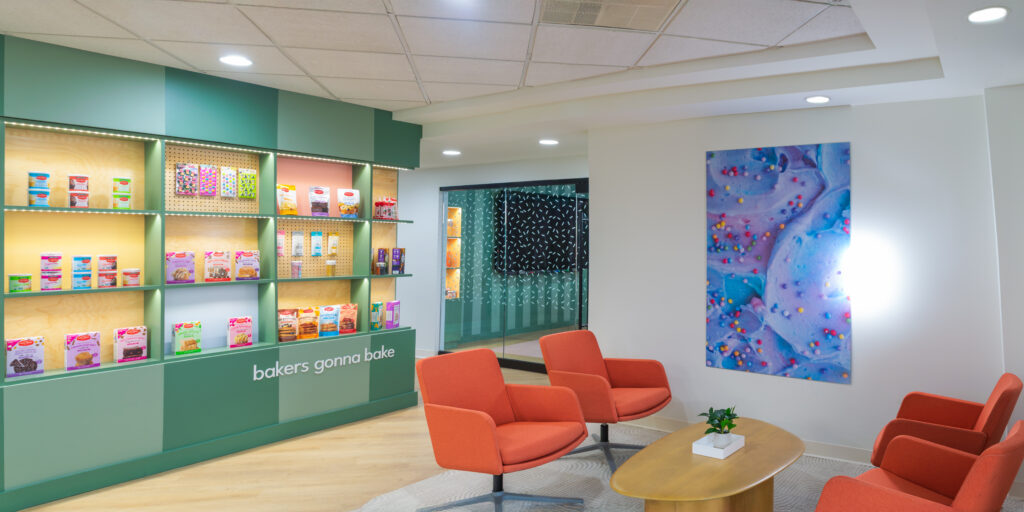
Comfort Is More Than a Chair
While comfortable seating is important, true comfort comes from considering the entire experience.
- Are seats arranged in a way that respects personal space?
- Is there enough room to move comfortably?
- Can visitors easily understand where to check in?
- Does the environment feel inviting without feeling overwhelming?
Every detail contributes to how people experience the space. Thoughtful design anticipates needs before they become frustrations.
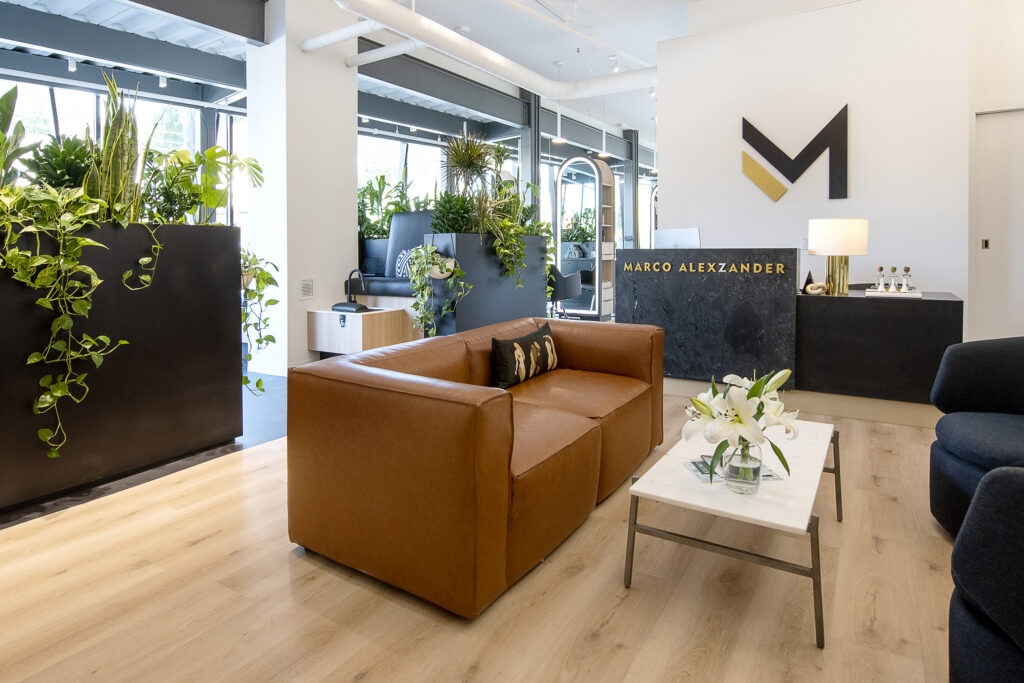
The Role of Sensory Design
A space communicates through more than appearance.
Lighting affects mood. Acoustics influence stress levels. Materials and textures contribute to how warm or welcoming an environment feels. A waiting area with harsh lighting, excessive noise, or a cluttered layout can feel stressful, even if the space is visually attractive.
On the other hand, thoughtful sensory choices create an environment where people feel comfortable and cared for.
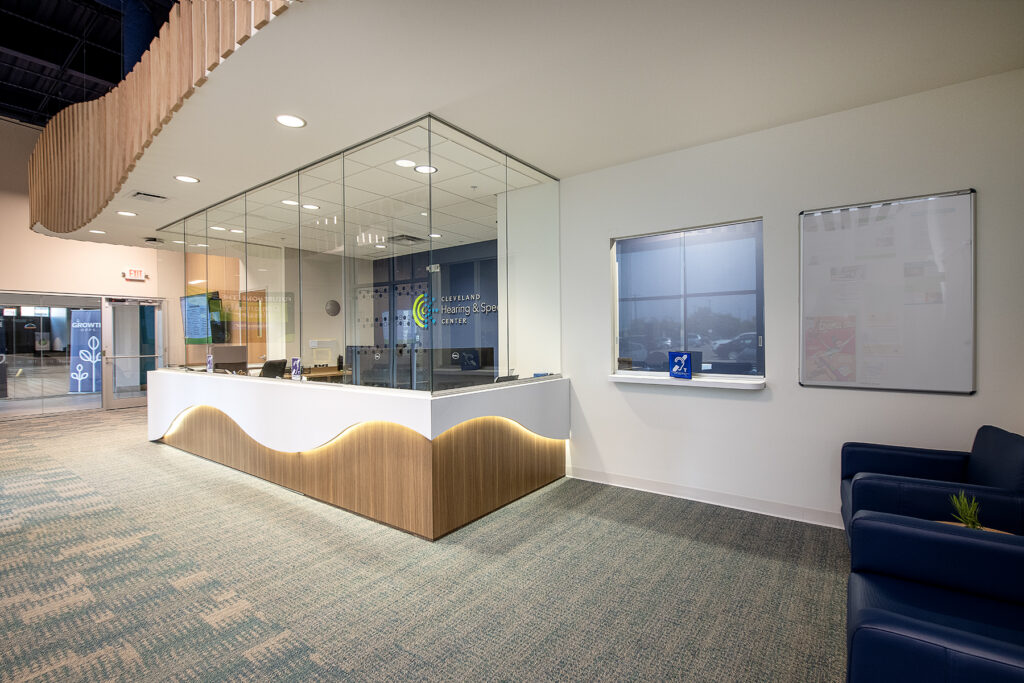
Building Trust Through the Environment
Trust is essential in any customer relationship.
Whether someone is visiting a healthcare provider, salon, wellness studio, or professional service business, the physical environment plays a role in establishing credibility. A well-designed space reinforces the message that a business is organized, attentive, and invested in the experience it provides.
The design of a space becomes part of the service. The goal is not simply to create a place where people wait. The goal is to create a place where people feel comfortable while they do.
When designed intentionally, waiting areas become opportunities to strengthen relationships, reinforce a brand, and create a positive experience from the very beginning.
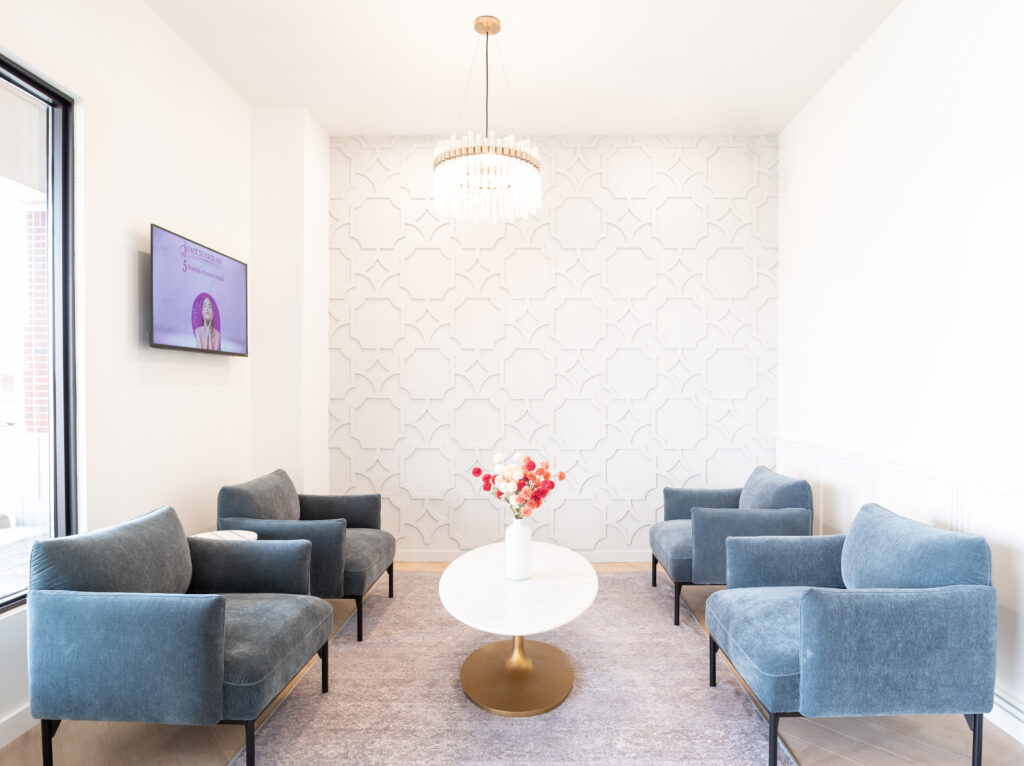
Designing Spaces That Support People and Businesses
At Slate Interiors, we believe every part of a commercial space should serve a purpose, including the moments before the main experience begins.
Through thoughtful planning, intentional materials, and a focus on how people interact with their surroundings, we create environments that help businesses make meaningful connections with the people they serve.
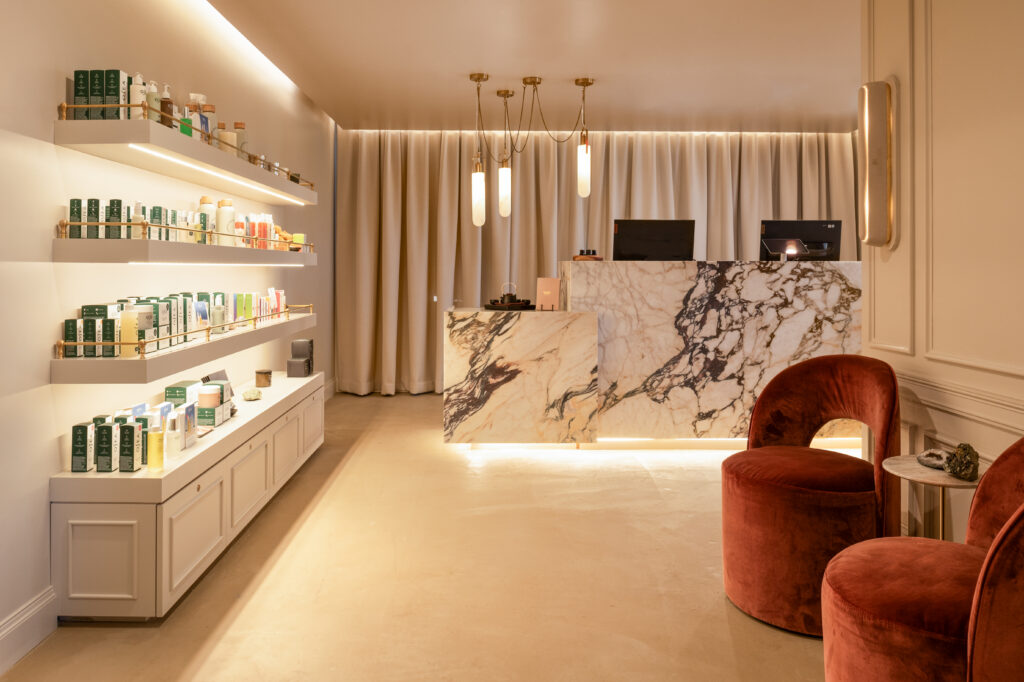
Great design doesn’t begin when the appointment starts. It begins the moment someone walks through the door.


Ready to bring in an
interior design pro?
Let’s chat >
we’ll help you plan the
perfect time and approach
for your project.